STAY INFORMED
SIWI newsletter
Receive SIWI’s latest news, events, reports and jobs directly in your inbox.
You can unsubscribe at any time, and we will never share your email address.

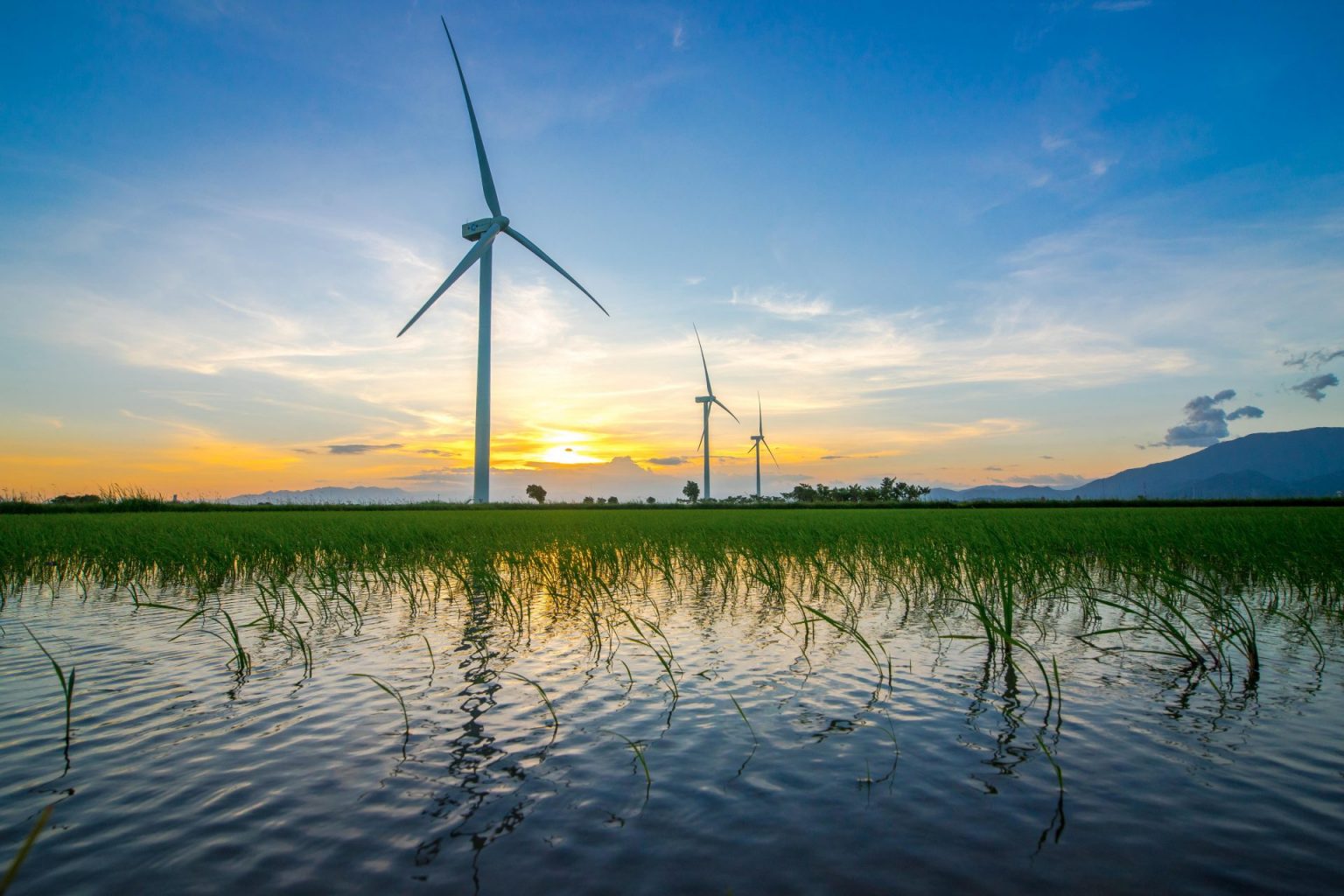
This Executive Summary, published ahead of the report, details the main areas of the research undertaken, and highlights the key messages which have come out of that.
In its Sixth Assessment Report on Mitigation of Climate Change, the International Panel on Climate Change (IPCC) has identified numerous climate mitigation measures that can provide a pathway to achieve rapid transition to net-zero emissions. Many of these measures have a direct link to freshwater.
It focuses on:
The report addresses the multiple freshwater-related synergies and trade-offs that exist between climate mitigation and adaptation measures. It highlights the benefits of water-wise mitigation actions working with nature, such as enhanced system resilience, functioning ecosystems and enhanced biodiversity, contributing to sustainable development.
The findings attest to the urgent need to improve the understanding of the links between the different climate mitigation measures, freshwater availability, and water management. It identifies high-potential water-related mitigation opportunities across the sectors and biomes where water management and nature-based solutions can contribute to reduce greenhouse gas (GHG) emissions and thus global warming. It further points out water-related risks to be avoided in mitigation planning to prevent uninformed and therefore unsustainable GHG mitigation planning from negatively impacting water resources.

Research Advisor Water Climate and Environment
malin.ingemarsson@siwi.org
+46 (0)703 00 26 66

Lan Wang Erlandsson, PhD
Research
Stockholm Resilience Centre
Water is the foundation of successful mitigation action: Earth's climate system and water cycle are deeply intertwined.
For our governance systems and national implementation plans to succeed we need to place water in its rightful place: at the heart of all efforts to adapt to, as well as to mitigate climate change.
United Nations Development Programme (UNDP)
German Corporation for International Cooperation (GIZ)

Stockholm Resilience Centre (SRC)

The Potsdam Institute for Climate Impact Research (PIK)
UNDP-SIWI Water Governance Facility
Federal Ministry of Economic Cooperation and Development of Germany (BMZ)