STAY INFORMED
SIWI newsletter
Receive SIWI’s latest news, events, reports and jobs directly in your inbox.
You can unsubscribe at any time, and we will never share your email address.


Access to water is not only a survival need but a human right. Unfortunately, in some contexts, this right has been hijacked and water is used as a means of extortion or punishment, the so-called weaponization of water. This puts a very unfair toll on civilians, as we are witnessing in the recent war in Gaza, who see their well-being, dignity, and even survival profoundly affected. As UNICEF puts it, in areas of protracted conflicts, children are three times more likely to die from water-related diseases than from direct violence, such as bombs and bullets.
Another level of conflict around water that affects governance is the competition around the use of water. Only 0.5 percent of the water on Earth is drinkable (freshwater and liquid, not locked ice caps or snow). According to the Food and Agriculture Organization of the United Nations, 70 percent of global water withdrawals are used for agricultural, around 20 percent for industrial uses and the remaining 10 percent is for domestic uses. Freshwater is, then, a scarce and unequally distributed resource and as such, competition on uses can trigger conflicts. Climate change aggravates this, by changing water availability, quality and increasing demand.
Communications Consultant
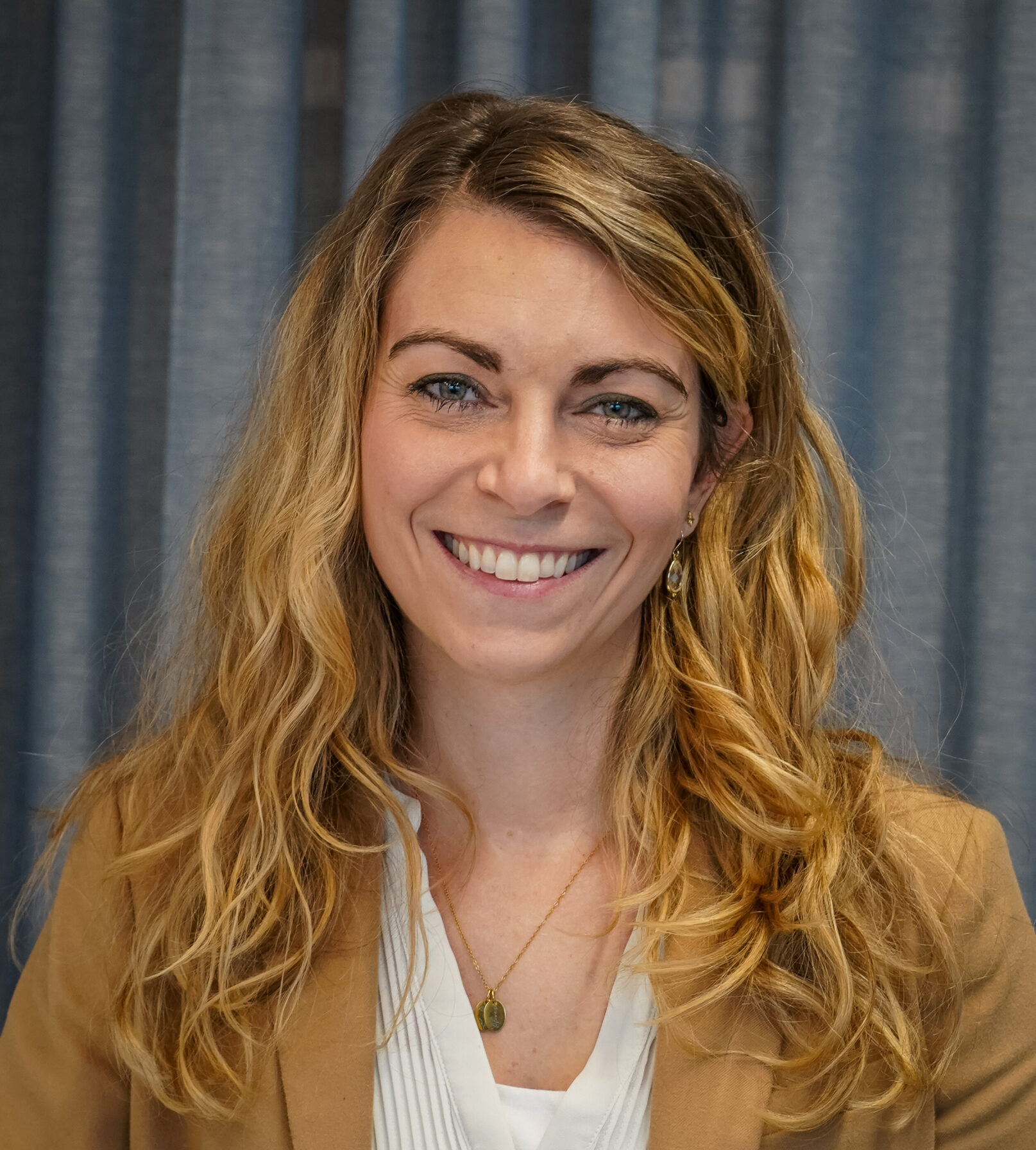
Access to water is not only a survival need but a human right. Unfortunately, in some contexts, this right has been hijacked and water is used as a means of extortion or punishment, the so-called weaponization of water.Virginia Mariezcurrena, Senior Programme Manager, WASH
Interventions need to be carefully designed that genuinely include the local communities who will be served, see through the gender disparities, and try to contribute to the transformation of the social norms where inequities lie.Virginia Mariezcurrena, Senior Programme Manager, WASH