STAY INFORMED
SIWI newsletter
Receive SIWI’s latest news, events, reports and jobs directly in your inbox.
You can unsubscribe at any time, and we will never share your email address.

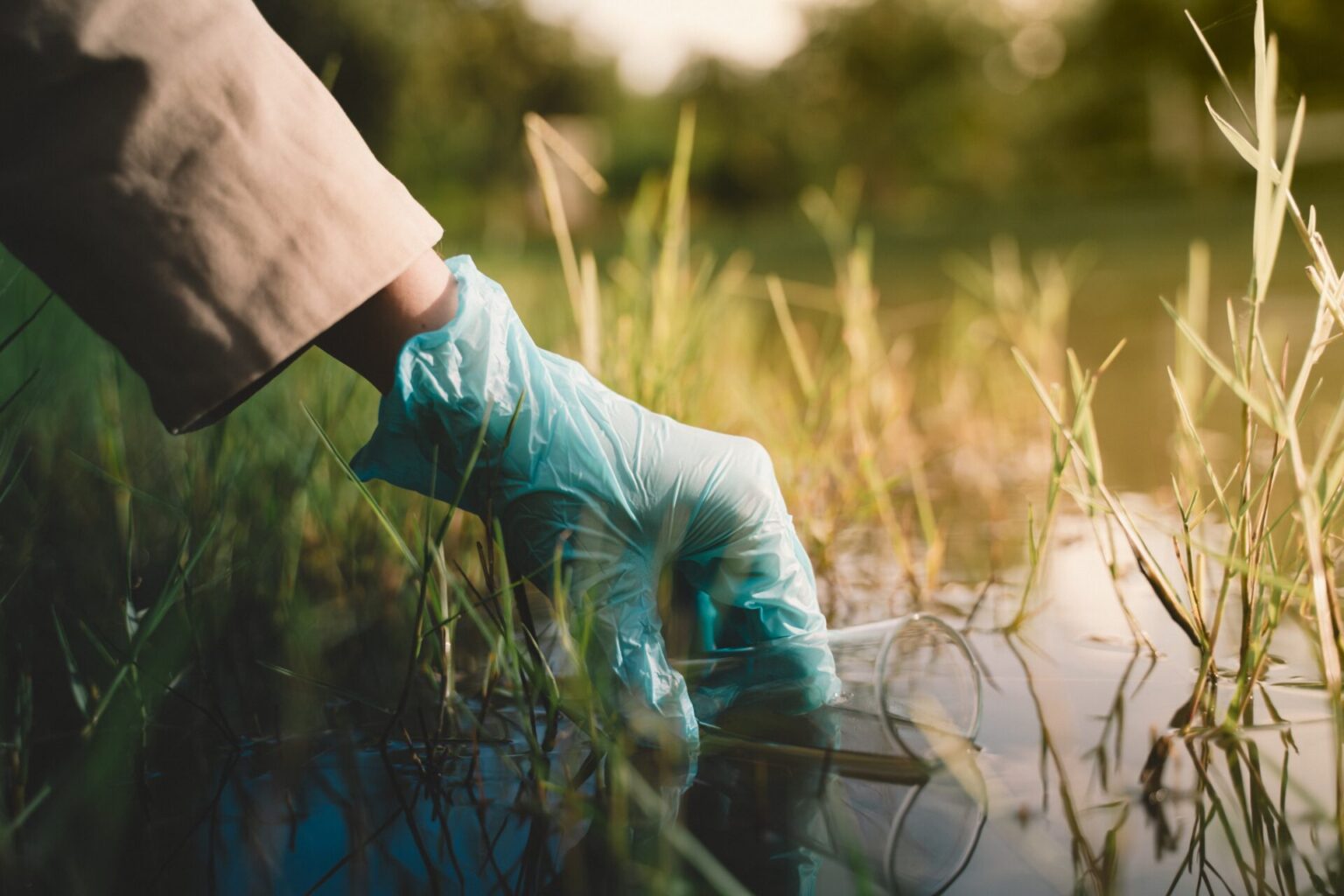
AMR is one of the biggest global health threats for humanity. Behind it is the ability of microbes to develop defense mechanisms against antibiotics and other antimicrobials. The newly released report by the WHO and the UNEP “Guidance on wastewater and solid waste management for manufacturing of antibiotics”, published on 4 September 2024, provides an in-depth analysis of AMR challenges and shows pathways to address them. To learn more about the report, we met with Iris Panorel, Programme Manager at SIWI and one of the three lead consultants for the report.
AMR makes infections harder to treat which poses grave risks particularly for patients with a weakened immune system. It could push millions into poverty in the next decade and cause huge economic damage. AMR is a natural process, just like the COVID-19 virus changes over time, so do bacteria.
However, we can slow this process down by controlling the drivers of AMR. One key driver is wastewater hotspots. High concentrations of antibiotics in the wastewater from manufacturing plants can lead to the development of new drug-resistant bacteria. These bacteria have the potential to spread worldwide and pose a threat to human health.
There are other drivers of AMR such as the usage of antibiotics and antivirals by humans and animals. However, while we cannot stop giving medicine that is vital for human health, we can introduce measures that make production facilities safer. This is why the focus on manufacturing wastewater is so important.
Communications Manager
jakob.schabus@siwi.org
+46 720 50 60 39

Programme Officer
iris.panorel@siwi.org
+46 7 20 50 60 49
[AMR] could push millions into poverty in the next decade and cause huge economic damage.Iris Panorel, Programme Officer, Swedish Water House, SIWI
It took several rounds of expert reviewers to come up with a balanced guidance document that is neither too soft nor too harsh.Iris Panorel, Programme Officer, Swedish Water House, SIWI