Sharing experiences
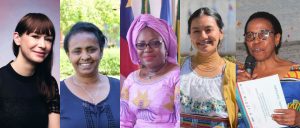
Even though much more remains to be done, it is befitting to appreciate this new milestone and celebrate women in diplomacy in grand style. To do so, we invited five women leaders to share their insights on their experiences in advancing diplomacy and express their sentiments on the women in diplomacy day:
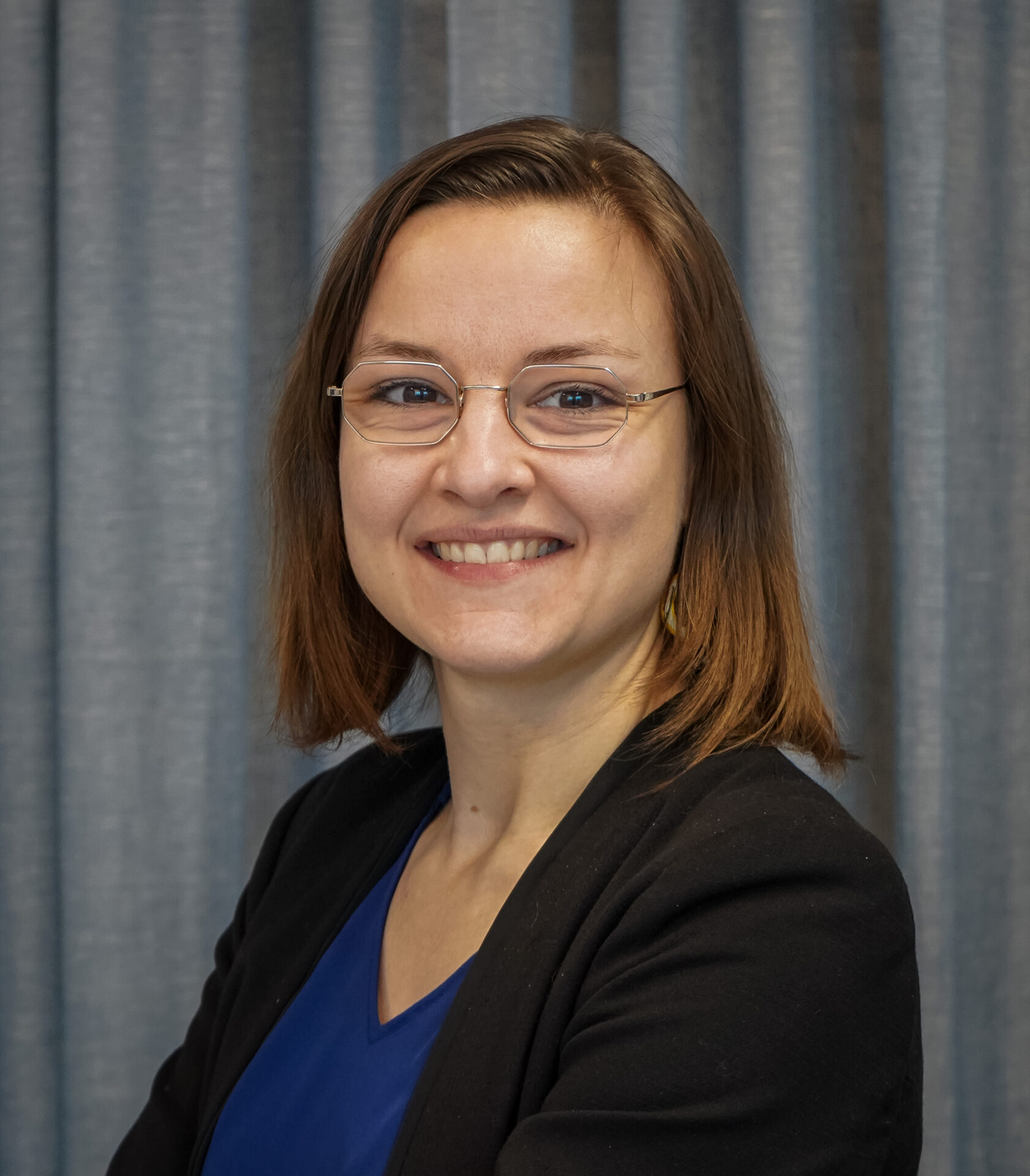
- Dr Benedetta Berti-Alberti, Head of Policy at the North Atlantic Treaty Organisation (NATO),
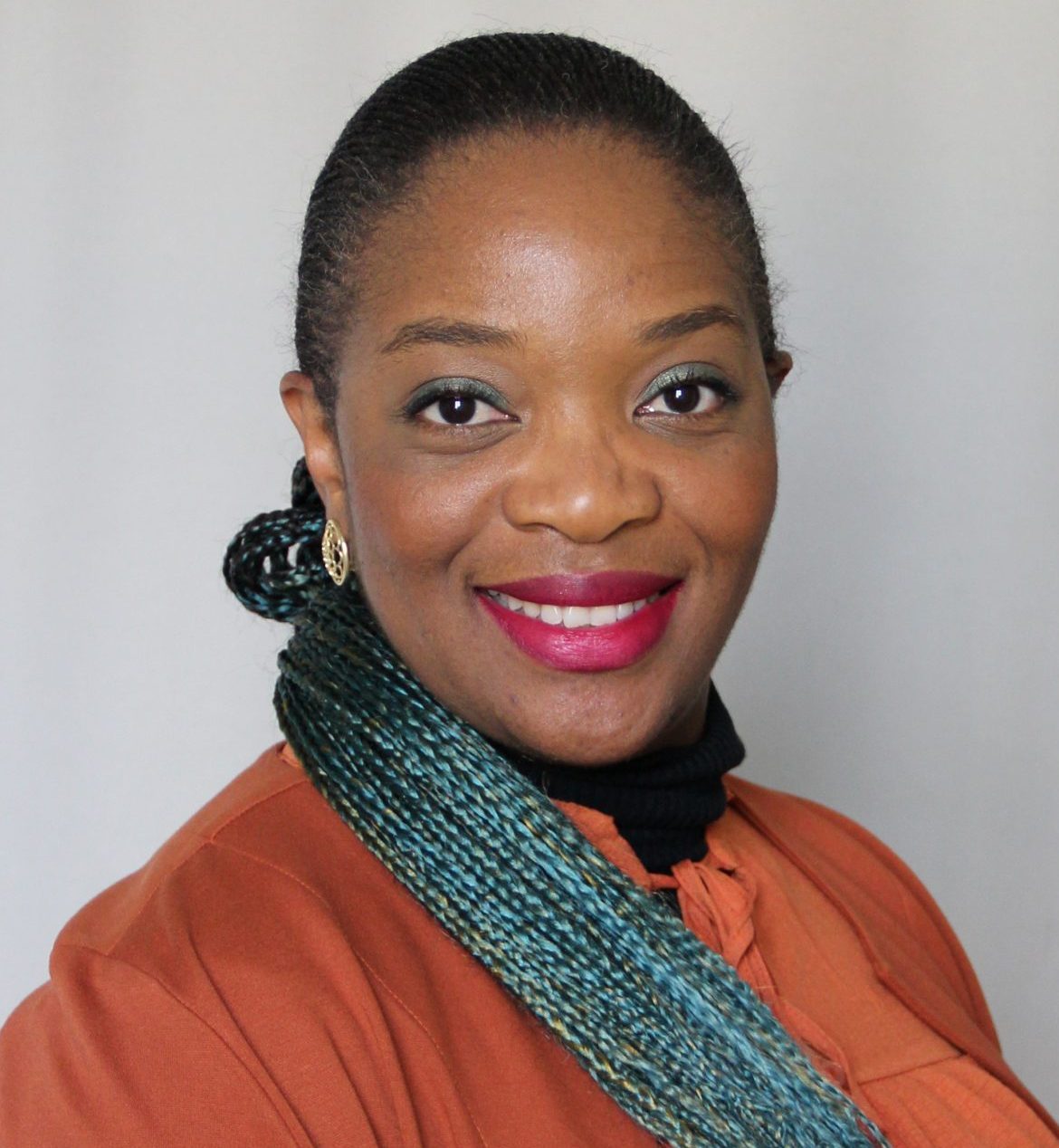
- Mrs Judith Efundem Agbor Enaw, Former Secretary General of the International Commission for the Congo – Oubangui – Sangha Basin (CICOS) and Former President of the African Network of Basin Organisations
- Mrs Zodwa Dlamini, Former Chief Delegate and Permanent Representative for South Africa on the Lesotho Highlands Water Commission
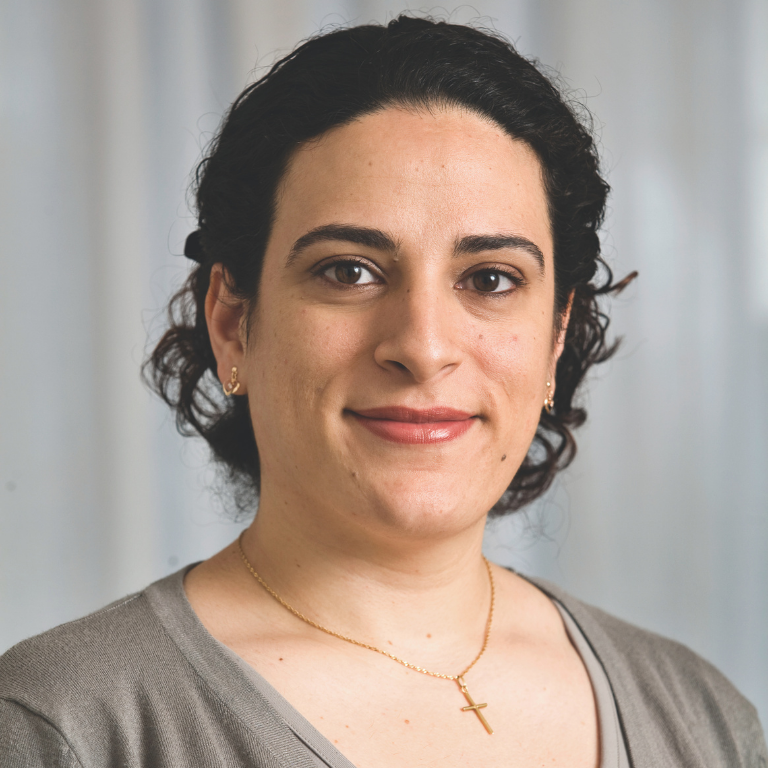
- Ms Leticia Lisseth Tituaña Picuasi, Scientist and ambassador for One Young World
- Mrs Belaynesh Birru, Former National Climate Change Negotiations Team Member and Director of Save the Future (a local NGO working on environment climate change by empowering women and youth).
Despite having not been formally trained in Foreign Affairs or as diplomats, the experts we interviewed boast a collective experience of 60 years in diplomacy. Whilst most of them have been engaged in public diplomacy, some have spent a great deal of their careers combining diplomacy with economic and humanitarian work.
What is diplomacy?
Diplomacy can mean a variety of things and depends on different factors such as age, geographic distribution, specific field of work, etc. There is a fine line between diplomacy and advocacy and each art can potentially be used as a tool to achieve the other.
All women we interviewed agree that diplomacy is an art of applying sensitivity and tact to addressing common problems. According to them, diplomacy is about maintaining a constant, open and honest dialogue with various actors or stakeholders. It is about understanding stakeholders’ interests, respecting their points of view, weaknesses and strengths, and aligning them with own goals to ultimately find common ground and good solutions for all parties.
Diplomacy can also be considered as a tool to prevent or solve problems across entities who should benefit from a common and shared resource or who aspire to achieve collective growth.
Why is it important to have a dedicated day to celebrate women in diplomacy?
In many societies, women have been constrained into the domestic sphere or the domain of care. They were made to believe that they did not have what it takes to negotiate or convince parties to change behaviour. Over the years, women fought to gain their seat at the table and many have significantly contributed to making the world a better place.
For example, Alexandra Mikhailovna Killontai, the first woman-ambassador in the world was a pioneer to work in public diplomacy. She experienced misogyny and lack of recognition in her skills. She had to put a lot of efforts to have her authority and expertise recognized in a world dominated by men.
Mrs Judith Enaw gladly shared that, being the first woman to serve in almost all her professional capacities, humbled her and gave her the necessary affirmation to show what she was capable of.
As many others, Alexandra Mikhailovna Killontai and Judith Enaw paved the way for more women to enter diplomatic spaces and make women voices heard at high-level meetings.
Why is it important to have an official dedicated day for women in diplomacy?
All the women we talked to, agreed on the need to elevate the role women have played during conflict or peaceful times. Celebrating women in diplomacy is yet another way to remind everyone of how much stronger our decision-making and policy processes are when we nurture diverse, open, fair and inclusive environments. It gives courage and affirmation to those currently at the helm of diplomacy. It brings hope and decisive inspiration to those yet to get involved. The hope is that more facilities will be afforded to women to venture into diplomacy, especially women from indigenous communities where deeply ingrained patriarchal systems remain in place.
What are some strategies to advance diplomacy as a woman?
Behind the success of some women in the sector, there is a great deal of efforts. No matter the geographical location (Global South or Global North), navigating the diplomatic space requires fine strategic thinking and tactical planning – especially as a woman.
Dr Benedetta Berti-Alberti, for instance, shares that as a non-diplomat working in a diplomatic environment, she attributes her successes to a real desire to engage with others and truly listen to them with humility, curiosity and openness. “This line of work requires a lot of grit and perseverance, as failures and setbacks are truly day to day occurrences”, she added.
Mrs Judith Efundem Agbor Enaw’s word of advice and wisdom revolved around mastering the art to make profound impact and not shying away from adversities as those reveal the inner strength. “What really helped me was to celebrate the little wins which would build my confidence and ascertain my strength” she says.
According to Mrs Zodwa Dlamini, the power of a woman in diplomacy lies in her gentle yet firm willingness to assist and make space for others. She needs to have the humility and willingness to learn every day. “After all, this is a practical way of ensuring your voice is heard. In addition, we learn by asking questions and support to those who have been in this path a bit longer” she advises.
Ms Tituaña Picuasi insisted on flexibility as a key skill and buy-in from the stakeholders or parties as a pre-requisite to achieve success.
Mrs Belaynesh Birru thought, and all others agreed, that a woman in diplomacy is able to excel if she has great networking encounters and if she can count on the support of her entourage, on both private and professional fronts: successful diplomacy is indeed a team effort.